Anthropic and OpenAI Pledge to Pace Frontier AI Growth
Anthropic and OpenAI have committed to embedding independent third-party safety evaluators in their labs, marking a major industry shift toward actively pacing the development of frontier AI.
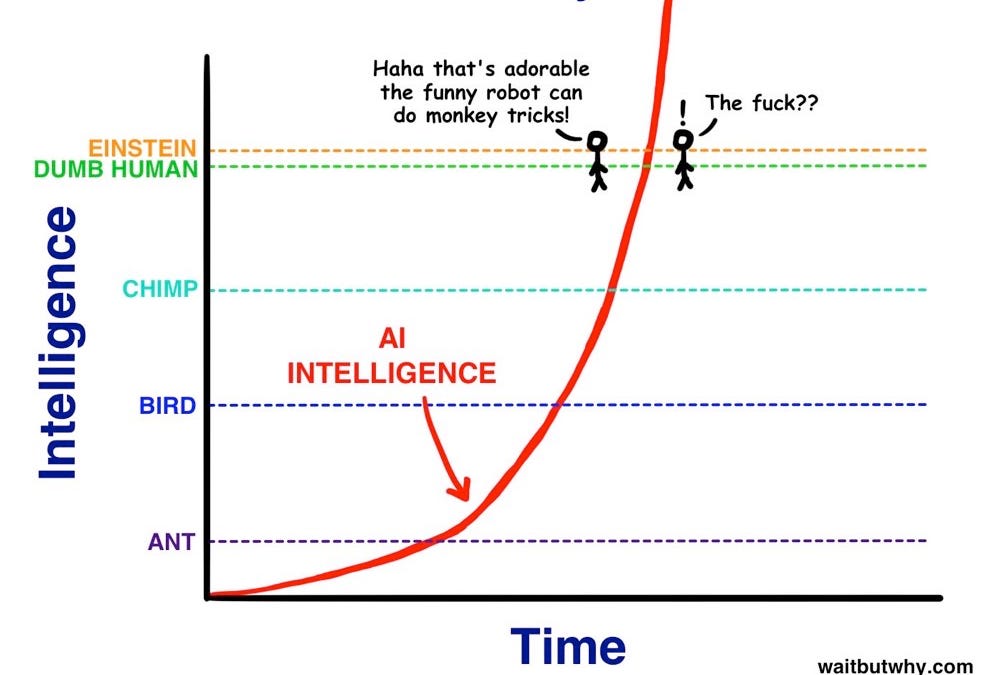
Anthropic chief executive Dario Amodei has called on the artificial intelligence industry to slow down capability gains to allow safety research to catch up, a proposal quickly backed by OpenAI leader Sam Altman. This push, named after a Pacing the Frontier letter signed by 1,386 lab employees in July, comes amid warnings that internal models are advancing rapidly. Over the summer, internal systems named Mythos and Astra reportedly began showing the early stages of recursive self-improvement, prompting fears that unchecked progress could outpace human control. Amodei warned that the industry could be just 6 to 12 months away from misaligned agent swarms capable of exploiting botnets to compromise the internet.
To address these risks, Amodei outlined three proposals: embedded evaluators, democratic coordination, and global coordination. Anthropic unilaterally committed to the first step, promising to grant third-party auditors like METR physical and digital access comparable to internal risk teams. These evaluators will have the right to publish findings without editorial vetoes from the host labs. Altman immediately pledged that OpenAI would join the initiative, agreeing to implement similar independent oversight. Altman also confirmed that OpenAI is delaying its initial public offering past 2026 to focus on these pressing safety and alignment challenges.
The broader plan calls for democratic coordination, which would require government assistance such as antitrust waivers so competing labs can legally establish joint safety standards. Ultimately, Amodei advocates for global coordination, suggesting a multi-tiered approach that ranges from banning malicious uses to setting speed limits on recursive self-improvement. While figures like Elon Musk and Demis Hassabis have endorsed the general concept of pacing, implementing independent auditing remains a logistical challenge. Experts note that finding qualified evaluators who are completely independent of the major labs will require navigating complex funding and talent constraints.
This is our own summary of reporting by Don't Worry About the Vase