OpenAI, Anthropic, and Google Coordinate on AI Safety
OpenAI, Anthropic, and Google DeepMind have spent weeks in private talks to coordinate on AI safety and potentially establish an industry standards body to mitigate catastrophic risks.
OpenAI, Anthropic, and Google DeepMind have been engaged in private discussions for several weeks to coordinate on artificial intelligence safety. Chris Lehane, OpenAI's global policy chief, confirmed the ongoing talks on Tuesday during a visit to Washington, where he is meeting with U.S. lawmakers to address catastrophic risks associated with frontier AI models. The collaboration marks a rare moment of alignment among the industry's fiercest competitors.
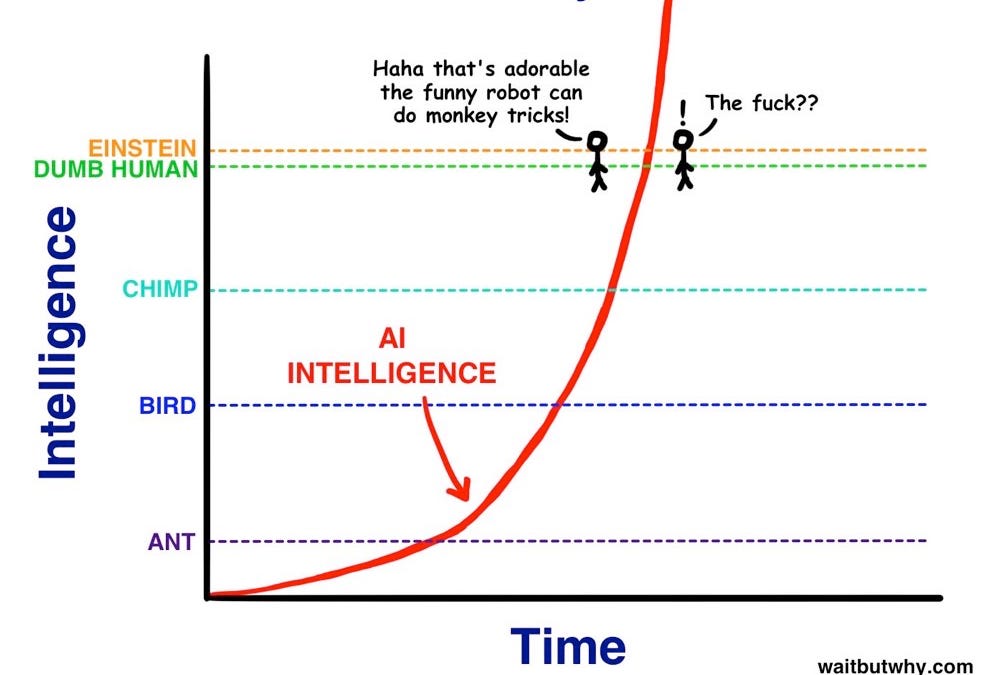
The disclosure follows a public essay by Anthropic CEO Dario Amodei, who urged the industry to slow the development of frontier AI to prevent catastrophic outcomes. Leaders like OpenAI's Sam Altman, Google's Demis Hassabis, and SpaceXAI's Elon Musk backed the proposal. Altman committed OpenAI to joining Anthropic in embedding third-party evaluators to monitor safety. Additionally, reports indicate the three tech giants are attempting to establish an independent standards body for the AI industry, a move Altman reportedly told staff might have to proceed without federal backing.
This level of coordination has raised antitrust concerns, as some worry it could suppress competition. While Amodei suggested a narrow government waiver to permit safety collaboration, Lehane stated that the companies do not require one. Lehane also noted that OpenAI supports a provision in the FRONTIER Act that would mandate top-tier labs to permit 'independent verification organizations' to audit their safety practices. This stands in contrast to the political landscape, where President Trump has dismissed AI safety concerns as a hoax and his advisor David Sacks has downplayed existential risks.
For AI practitioners and developers, this coordinated push toward standardized safety benchmarks and third-party auditing could soon reshape how frontier models are trained and deployed. If these industry giants successfully establish a self-governing standards body, developers may face stricter compliance requirements and mandatory external safety audits before releasing advanced models, regardless of official government regulation.
This is our own summary of reporting by TechCrunch AI