Nvidia Invests in Cloverleaf to Build AI Factories
Nvidia has taken a minority stake in Cloverleaf Infrastructure to embed its DSX design platform into early-stage site development, securing power-ready land for future AI data centers.
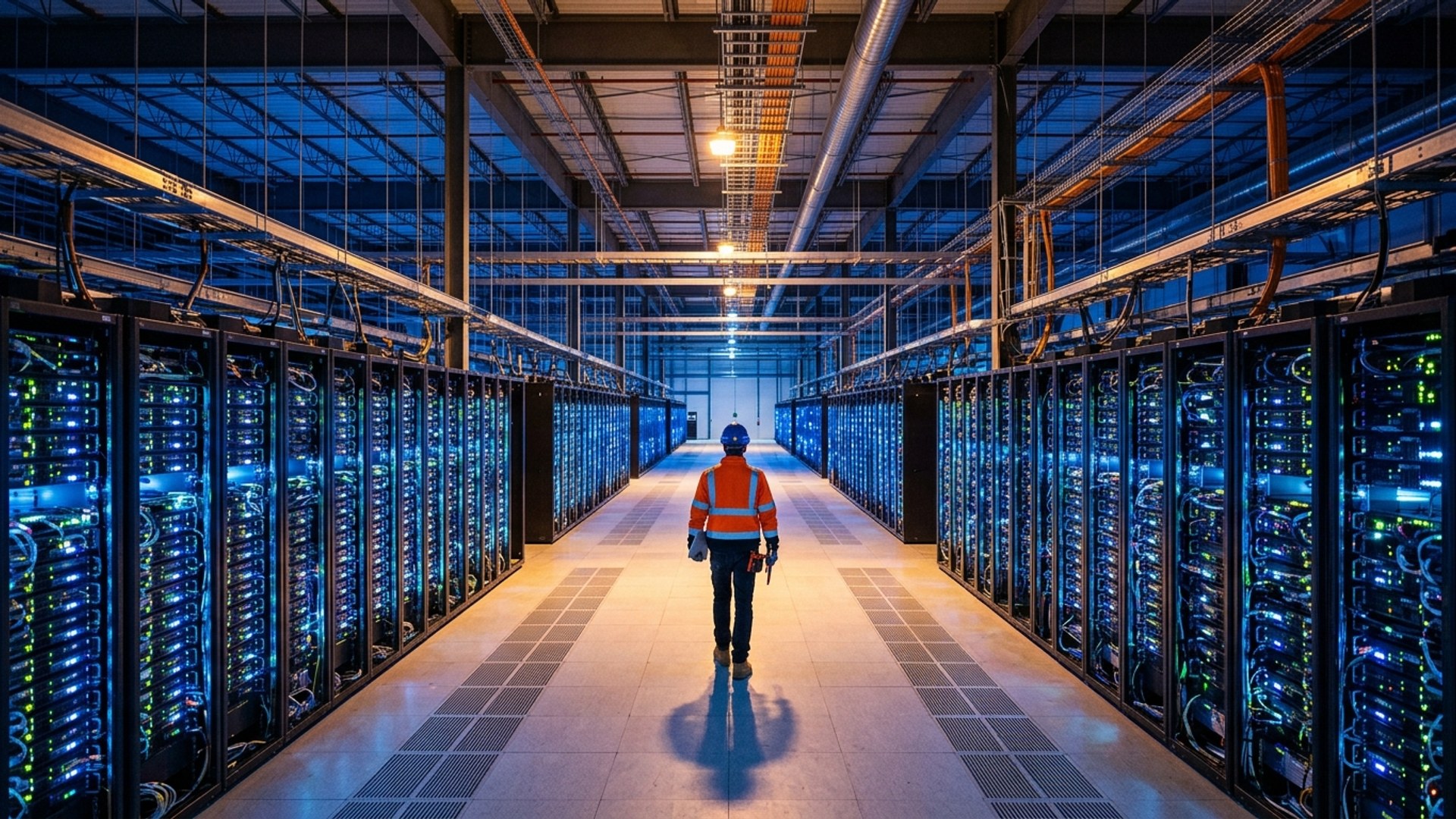
Nvidia has secured a minority stake in Houston-based site developer Cloverleaf Infrastructure to accelerate the creation of physical foundations for artificial intelligence. Announced on August 21, 2026, the strategic partnership aims to prepare shovel-ready land with immediate grid access. Cloverleaf, founded in 2024 with backing from Sandbrook Capital and NGP Energy Capital, has already delivered multiple gigawatt-scale projects across North America. Financial terms of Nvidia's investment were not disclosed, though J.P. Morgan Securities and Kirkland & Ellis served as advisors.
Under the agreement, Cloverleaf will adopt Nvidia DSX, an AI-factory design and operations platform launched on May 31, 2026, at GTC Taipei. This integration allows Cloverleaf to evaluate grid, water, and power constraints during the earliest design phases. The DSX suite includes DSX MaxLPS software, which optimizes token output per megawatt and allows operators to run up to 40% more GPUs at their most efficient operating points. It also features DSX Flex, which connects facilities directly to utility grid services for demand-response coordination.
This transaction highlights Nvidia's aggressive push to secure physical infrastructure before its next-generation chips even ship. It follows a May 7, 2026, partnership with data-center operator IREN targeting 5 gigawatts of DSX-aligned infrastructure, which gave Nvidia rights to buy up to 30 million IREN shares at $70 each for a potential $2.1 billion investment. Nvidia also recently guaranteed up to $105 billion for an 8-gigawatt Ohio campus leased by OpenAI. Meanwhile, cloud partners like CoreWeave and Nebius are already deploying core DSX components.
For infrastructure practitioners, this partnership signals a shift toward co-designing physical facilities alongside computing hardware. As utilities like the Tennessee Valley Authority establish dedicated data-center rate classes to protect residential consumers, developers must optimize energy use early. By using DSX to model site tradeoffs before breaking ground, engineers can maximize computing density within fixed local power budgets, bypassing traditional interconnection bottlenecks.
This is our own summary of reporting by Unite.AI